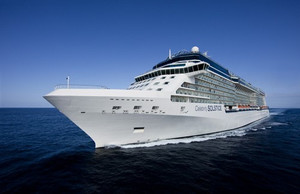



Cruise Ship Dining 101: Sittings, Specialty Restaurants and Special Diets
Write a Review

Cruise Ship Dining 101: Sittings, Specialty Restaurants and Special Diets
Restaurant names, dress codes and what is included vary by cruise line, ship and sailing, and they change over time, so check the current arrangements with your line before you sail.
From breakfast to special dietary needs, food has become an integral, and important, part of today's cruising experience. No longer are you restricted to a single dining room; many ships today offer a plethora of dining options, and venues in which to satisfy your appetite. Here's our guide to culinary matters on board a cruise ship, sorting out what's new and what's for you.
Sittings For Dinner: What Are They?
A sitting hails back to a more traditional era of cruising, and is often referred to as "fixed seating", "traditional dining" or "early and late seating". They all refer to much the same thing: you are assigned to a specific table for the entire cruise, and will eat dinner every night at the same time. Table sizes vary, from two up to as many as eight or 10 people, and on ships that use it the seating typically happens twice per evening, one early and one late, with exact times set by each line and ship.
There are advantages and disadvantages to this form of dining, which many lines still offer, including some premium and larger ships. Advantages include having the same wait staff for every meal, who should learn your preferences over the course of the cruise, and eating at a fixed time may also suit some people. Disadvantages, however, include a lack of flexibility, and you will be sitting with the same people every night, which can be a blessing or a curse. Where a line offers it, you can usually request fixed seating for dinner when you book your cruise, along with the time and the size of table you wish to sit at. This can sometimes be changed after you board if you are unhappy with the result, depending on the line and on how full the ship is.
Can I Eat When I Want To?
Called "open seating", this is a much more flexible option, and comes under a variety of names depending on the ship. This form of dining used to apply only to much smaller ships, and those at the luxury end of the scale; however, larger and mass market ships are adopting the policy for at least part of their main dining rooms at night. The venue will have hours for dinner service, say 6pm to 9.30pm, and open seating means you can walk in and ask for a table at any time during these hours. In some cases the ship will even allow you to make a reservation.
There are advantages and disadvantages to this form of dining also. On the plus side, you get to dine in a much more flexible way; if you have been out all day touring ashore, you may wish to eat late that night, while on another day you may prefer to eat earlier. Also, you don't have to sit with the same people each night, or with anyone at all if you choose. The disadvantages, however, are that you will get different wait staff every night, you may not always be able to get a table when you turn up, and you may not get a table for two if you are looking for a romantic or quiet night.
Casual Dining and Room Service
Most cruise ships have a casual dining venue, usually a buffet which operates for breakfast, lunch and dinner. They offer a more flexible way of eating, which can be great if you are busy, or you are travelling with people of different ages, and if you don't feel like dressing for dinner you don't have to. Although you will help yourself to food, many ships also offer table service for drinks, including alcohol.
Room service is also available on many ships today. What is offered, and at what hours, varies by line and sometimes by time of day, so check before you order. As for what's on offer, this can range from a wide choice, or even food from some of the restaurants on board, to a fixed menu of basics which doesn't change.
Alternative Or Specialty Dining
Alternative dining has become the new normal in the cruising world in recent years, and the venues fall into two broad types. Casual alternatives can include pizzerias, sandwich bars, hot dog stands or casual grills, which usually don't require reservations. Specialty restaurants can range from a steakhouse to a sushi restaurant, right up to a high-end gourmet experience with a celebrity chef or a private dinner.
Where alternative and specialty dining venues require reservations, many cruise lines offer the opportunity of booking in advance before you cruise, which can be a good thing if the restaurant has limited capacity and your cruise is short. Check your line's terms for changing or cancelling a booking once you are on board.
Special Dietary Requirements
Many people have special dietary requirements today, from food allergies to particular diets. The good news for anyone considering a cruise, however, is that many dietary needs today are well accommodated. Main dining room menus on many lines feature dishes noted as low-salt, healthy eating and so on, and there will usually be at least one vegetarian option also.
If you have a food allergy or any other dietary requirement, tell the cruise line in advance, ideally when you book.
Special Dining Situations
Some cruise lines have unique dining options which it's worth being aware of, just in case. Communal dining is one, where everyone eats together at the same time, albeit sometimes not with fixed table assignments. This is common on much smaller ships, yachts and adventure cruises where facilities and space are limited. Disney Cruise Line, for example, also has something a little different on offer: at the time of checking in September 2026, guests eat in several different dining rooms during the cruise in a fixed seating arrangement, but each venue has a different theme.
On Cunard, your main dining room is linked to your accommodation grade. Britannia guests can choose early or late set dining, or open dining where available, while Britannia Club, Princess Grill and Queens Grill guests have dedicated restaurants with more flexible dining arrangements. Check the current arrangements for your ship and fare before sailing.
Norovirus
No guide to life on board is complete without a few words on norovirus. The most common cause of gastro outbreaks on cruise ships, although not exclusive to high seas holidays, it produces nasty symptoms including nausea, vomiting and diarrhoea. It spreads easily from person to person, via contaminated surfaces such as handrails, and through contaminated food and water. Your best defence is to wash your hands often with soap and water, especially before eating and after using the toilet. Alcohol hand sanitiser doesn't work well against norovirus, so by all means use the ship's sanitiser stations as well, but never instead of washing your hands. If you do become unwell, tell the ship's medical centre as soon as possible and follow their advice.
More from UTM: 18 Practical Cruise Tips and 10 Different Things to Try on a Cruise Holiday.
Editor's note. This article brings together UTM's original Cruise Ship Dining 101 feature, first published in two parts, into a single piece. Consolidated and fact-checked on 22 September 2026.
- By:
- Joanna Hall